Quick Answer: A collapsed underground drain may cause recurring blockages, slow drainage in multiple fixtures, sewage smells, gurgling sounds, or damp and sunken ground near the drain run. These warning signs can also have other causes, so they cannot confirm a collapse on their own. A professional CCTV drain survey is the most reliable way to identify structural damage and determine whether the pipe needs relining, excavation, or another repair. Early inspection can help prevent further damage and avoid repeated attempts to clear a blockage that will not stay clear.
A drain that keeps blocking, even after it has been cleared, can be frustrating and difficult to explain. While recurring blockages are often caused by grease, debris, or tree roots, they can also indicate damage to the pipe itself. A collapsed underground drain is one possible cause, and recognising the warning signs early can help prevent further damage to your property.
Unlike a simple blockage, a collapsed drain involves a structural problem that may restrict wastewater flow or allow water to escape into the surrounding ground. Symptoms such as repeated backups, slow drainage across multiple fixtures, unpleasant smells, or unexplained damp patches can suggest that a closer inspection is needed. However, these signs alone cannot confirm a collapse.
In this guide, you will learn how to know if a drain has collapsed underground, what commonly causes structural drain damage, and how a CCTV drain survey can identify the problem. We will also explain the available repair options, typical costs, and the steps to take if you suspect your drainage system needs professional attention.
What Is a Collapsed Underground Drain
A collapsed drain has lost its structural shape. Instead of a smooth, round pipe carrying wastewater away, the pipe has cracked, caved in, or broken apart underground.
This differs from a blockage, where the pipe stays intact, but debris, grease, or roots obstruct the flow. A collapse restricts or stops flow entirely, which is why the same symptoms tend to return no matter how many times you clear them.
4 Warning Signs Your Drain Has Collapsed

Most collapses do not announce themselves with a dramatic event. They build up gradually, and the signs are easy to dismiss on their own. Together, they tell a clearer story.
1) Blockages That Keep Coming Back
A single blockage is normal. One that returns within a week or two of being cleared is not.
We have found that recurring blockages in the same spot are one of the most reliable early indicators of a collapse, because an obstructed pipe cannot stay clear until the structural problem is fixed.
2#) Slow Draining in More Than One Fixture
One slow sink usually means a local clog. Multiple fixtures draining slowly at once, such as a bath, toilet, and kitchen sink, suggests the shared line further down is compromised.
3) Bad Smells and Gurgling Sounds
Sewage odour around drains or gullies is worth paying attention to. So is gurgling from your toilet or plughole after you flush, which can mean trapped air behind an obstruction.
4) Damp Patches, Sunken Ground, or Wall Cracks
Look outside near your drain run for:
- Soggy or unusually green patches of lawn
- A dip or sunken section of ground
- New cracks in nearby paving, patios, or garden walls
These point to water escaping the pipe and softening the ground around it, which suggests the problem has progressed beyond a simple clog.
Ask yourself this: has the same problem happened more than once this month? That repetition is already doing a lot of the diagnostic work for you.
What Causes an Underground Drain to Collapse

Drains rarely fail without a reason. In our experience, four causes account for most of the collapses we inspect.
- Root ingress – roots find their way into pipe joints while searching for moisture, then expand until the pipe cracks. According to RHS research on tree roots and drain damage, root growth inside aging mortar joints is a primary driver of structural failure across UK properties, particularly in older clay networks.
- Age and material corrosion – older clay or cast iron pipes degrade over decades, especially at the joints.
- Ground movement – subsidence, nearby construction, or heavy rainfall can shift the soil supporting the pipe.
- Surface loading – vehicles or new structures placed over a drain run without adequate protection
Heavy rain and freeze-thaw cycles often bring existing weaknesses to a head, which is why call-outs for suspected collapses tend to rise after wet or cold spells.
Collapsed Drain vs Blocked Drain – What Is the Difference
Think of a blocked drain like a clogged artery and a collapsed drain like a burst pipe behind the wall. One is an obstruction you can often clear. The other is a structural failure that clearing will not fix.
You cannot always tell the difference from the surface. A blockage and an early-stage collapse can look identical from inside your home, which is why professional confirmation matters before you commit to a repair plan.
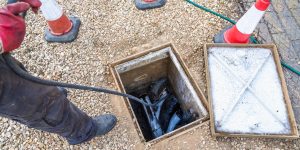
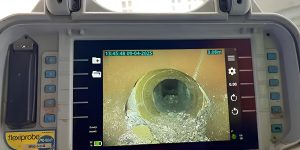
A CCTV drain survey settles the question by using WRc Sewer Condition Classification standards to categorize pipeline defects, providing an accurate, standardized report on whether you are dealing with simple debris or a structural failure.
Consider this scenario. A property manager keeps getting call-outs for a downstairs toilet that will not stop backing up, even after three visits to clear it. A CCTV survey on the fourth visit reveals a short section of collapsed clay pipe under the garden, not a blockage. Once confirmed, the repair addresses the actual problem instead of the same symptom on repeat.
How Much Does It Cost to Repair a Collapsed Drain, and How Long Does It Take
Costs vary depending on depth, access, and how much pipe is affected. As a general guide:
- CCTV drain survey – roughly £100 to £300, and usually the first step
- No-dig relining – roughly £80 to £250 per metre, used when the surrounding pipe is still structurally sound
- Excavation and replacement – roughly £1,000 to £4,000 or more, needed for severe or long-section collapses
These figures are a general guide, not a quote. Your actual cost depends on depth, access, and how much of the run needs attention.
Timeframes follow a similar pattern. Relining can often finish within a single day once the survey confirms it is suitable. Excavation typically takes two to five days, depending on depth and reinstatement.
What to Do if You Suspect a Collapsed Drain
Do not wait for the problem to resolve itself. A collapsed drain does not heal, and delaying repair tends to increase both the damage and the eventual cost.
Start with a CCTV drain survey. It gives you clear evidence of what is happening underground before anyone recommends a repair method, so you know what you are paying for and why.
We are members of the National Association of Drainage Contractors (NADC) and the Water Jetting Association (WJA), and we hold SafeContractor Approved accreditation. Every survey we carry out comes with a report you can also use for insurance purposes.
Get a Clear Diagnosis Before a Collapsed Drain Gets Worse
A collapsed underground drain can look like a recurring blockage at first, but the underlying issue is structural. Repeated backups, slow drainage, sewage smells, damp patches, sunken ground, or cracks near the drain run can suggest the pipe needs closer inspection before more damage develops.
A professional CCTV drain survey can confirm whether you are dealing with debris, root ingress, cracked pipework, or a collapsed section. Once the cause is identified, we can recommend the right repair method, whether that means drain relining, targeted excavation, or another practical drainage solution.
Need help confirming whether your drain has collapsed underground?
Contact Proline Drainage to arrange a professional CCTV drain survey. We provide drain inspections, drain unblocking, high-pressure water jetting, root removal, collapsed drain repairs, no-dig drain relining, and clear drainage reports to help you fix the problem properly and protect your property from further damage.