Learning how to unclog a drain is an essential household skill that can save you time and frustration. Blocked drains often occur from everyday buildup, and resolving them quickly prevents further plumbing issues and water damage.
There are several reliable methods you can use without relying on harsh chemicals or professional assistance. Each technique involves simple tools or common household items, making it possible for anyone to handle basic drain problems safely and effectively.
This guide explains seven practical approaches to clear different types of clogs. You’ll learn how to select the most suitable method for your specific situation, minimize unnecessary costs, and maintain your drains with minimal effort for optimal performance.
What Causes Drains to Clog?

Understanding your enemy makes victory more likely. Drain clogs develop gradually through the daily accumulation of seemingly harmless materials. Knowing what causes blockages helps you act early and avoid the need to unclog a drain later.
Kitchen drains primarily collect these troublemakers:
- Cooking grease and oils that solidify in pipes
- Food particles that stick to the pipe walls
- Coffee grounds that clump together
- Soap residue mixed with food debris
Bathroom drains face different challenges:
- Hair combining with soap scum
- Toothpaste and beauty product buildup
- Mineral deposits from hard water
- Small objects accidentally dropped down drains
Gravity and time work against you. Like sediment building up in a riverbed, these materials layer upon each other until water flow slows to a trickle.
Consider this scenario: You notice your kitchen sink draining slightly slower after washing dishes. Within two weeks, that minor slowdown becomes standing water that won’t budge. Early intervention prevents this escalation.
DIY Methods to Unclog a Drain vs When to Call a Professional
Knowing when to tackle a clog yourself versus calling for backup protects both your wallet and your plumbing system.
Green lights for DIY attempts:
- Single drain affected (not multiple fixtures)
- Water drains slowly but still moves
- No sewage odors present
- Clog developed recently (within days)
- You can access the drain opening easily
Red flags requiring professional help:
- Multiple drains are backing up simultaneously
- Sewage smells or gurgling sounds from pipes
- Water is backing up into other fixtures
- Recurring clogs after numerous repair attempts
- Standing water won’t recede after 24 hours
Think of your plumbing system like your car’s engine. Minor maintenance you can handle yourself, but complex mechanical issues require trained expertise.
Here’s a quick scenario: Your bathroom sink drains slowly, but your shower and toilet work fine. This isolated problem suggests a localized blockage you can likely resolve yourself. However, if all three fixtures start backing up together, the main drain line needs professional attention.
7 Proven Methods to Unclog Your Drain
These methods progress from simplest to most involved. Start with Method 1 and advance only if needed. Each technique targets different clog types and pipe conditions.
Method 1 – Hot Water Flush
Time Required: 5-10 minutes
Success Rate: Works for 60% of grease-based clogs
Remove standing water from your sink first. Boil a whole kettle of water – tap water won’t generate enough heat to dissolve hardened grease.
Pour the boiling water slowly down the drain in two to three stages. Allow 10 seconds between pours to let heat penetrate the clog. The thermal shock helps dissolve grease and flush away loose debris.
Caution: Avoid this method with PVC pipes, as boiling water can soften joints and create leaks.
This technique works wonderfully for kitchen sinks where cooking oils have solidified in the trap. You’ll often hear gurgling sounds as the blockage breaks free solidified in the trap. You’ll often hear gurgling sounds as the blockage breaks free.
Method 2 – Baking Soda and Vinegar

Time Required: 30-45 minutes
Success Rate: Effective for 70% of organic matter clogs
Pour one cup of baking soda directly into the drain opening. Follow immediately with one cup of white vinegar. The chemical reaction creates expanding foam that scrubs pipe walls and breaks down organic material.
Cover the drain with a stopper or a wet cloth to contain the reaction. Wait 15-30 minutes while the foam works. Flush with hot water to clear loosened debris.
This natural approach works like a volcano in your pipes. The fizzing action dislodges hair, soap scum, and food particles without harsh chemicals.
Consider this scenario: Your daughter’s bathroom sink runs slowly due to hair and toothpaste buildup. After trying the baking soda-vinegar method and waiting 30 minutes, hot water flushes away months of accumulated gunk.
Method 3 – Plunger Technique
Time Required: 10-15 minutes
Success Rate: 80% effective for surface-level blockages
Use a standard toilet plunger, not a specialized sink plunger. Fill the sink with enough water to submerge the plunger cup completely – air won’t create the pressure needed.
Create a tight seal around the drain opening. Push down slowly, then pull up quickly with force. The suction action often dislodges stubborn clogs more effectively than pushing down.
Repeat 10-15 plunges before checking results. You’ll know you’ve succeeded when water suddenly drains rapidly.
Safety Note: Never plunge after using chemical drain cleaners, as splashing could cause chemical burns.
Method 4 – Wire Coat Hanger Snake
Time Required: 15-20 minutes
Success Rate: 65% success for hair and debris within 6 inches
Straighten a wire coat hanger and create a small hook at one end using pliers. Keep the hook small enough to fit through drain openings but large enough to catch debris.
Insert the hooked end into the drain and feel around for obstructions. Twist and pull gently to extract hair clumps and solid debris. Avoid pushing material deeper into pipes.
This method works like fishing for clogs. You’ll be amazed at what comes out – hair balls, jewelry, and mystery objects that somehow found their way down your drain.
Here’s a quick scenario: Your shower drain barely accepts water due to accumulated hair. Using a straightened coat hanger, you extract a hair mass the size of a small rodent, immediately restoring complete drainage.
Method 5 – Salt and Hot Water
Time Required: 20-25 minutes
Success Rate: 50% effective for mineral and soap buildup
Mix half a cup of table salt with half a cup of baking soda. Pour this abrasive mixture directly into the drain. The coarse salt acts like sandpaper for pipe walls, scrubbing away buildup.
Let the mixture sit for 20 minutes, then flush with very hot water. The salt breaks down soap scum while baking soda neutralizes odors.
This combination works particularly well in hard water areas where mineral deposits restrict water flow.
Method 6 – Dish Soap Method
Time Required: 25-30 minutes
Success Rate: 55% effective, especially for toilet clogs
Squirt a generous amount of liquid dish soap into the clogged drain. Dish soap acts as a lubricant and degreaser, helping materials slide through pipes more easily.
Follow with very hot water poured from waist height to create additional pressure. The soap reduces surface tension, allowing water to penetrate and flush clogs more effectively.
This gentle approach works well when you’re unsure about your pipe material or prefer avoiding harsh chemicals.
Method 7 – Drain Snake or Auger
Time Required: 30-45 minutes
Success Rate: 90% effective for accessible clogs
Purchase or rent a drain snake from your local hardware store. These flexible cables reach deep into pipes where other methods fail.
Insert the snake while turning the handle clockwise. When you feel resistance, you’ve found your clog. Continue turning while applying gentle pressure to break through or hook the obstruction.
Pull the snake back slowly, bringing debris with it. You may need several attempts to clear stubborn blockages fully.
This professional-grade approach handles clogs that defeat simpler methods. Think of it as the heavy artillery in your drain-clearing arsenal.
- RELATED: 4 Reasons Why Drains Get Blocked
Preventing Future Clogs
Prevention costs far less than emergency plumber visits or pipe replacement. Simple weekly maintenance keeps drains flowing freely and reduces the likelihood of needing to unclog a drain in the future.
Weekly maintenance routine:
- Flush drains with hot water for 30 seconds
- Use enzyme-based cleaners monthly to break down organic buildup
- Install drain screens to catch hair and debris
- Wipe down sink surfaces to prevent soap film
Items that never belong in drains:
- Cooking grease or oils (collect in containers for disposal)
- Coffee grounds (compost instead)
- Hair from brushing (dispose of in trash)
- Cotton swabs and dental floss
Why does prevention matter so much? Preventive maintenance costs under $20 annually, while emergency drain cleaning averages $200–$400 per incident.
Consider this scenario: You implement a simple weekly hot water flush routine and monthly enzyme treatment. After one year, your drains flow perfectly while your neighbor calls plumbers twice for major blockages.
When DIY Methods Don’t Work
Recognizing your limits prevents costly mistakes and protects your home’s plumbing infrastructure. Some situations require professional equipment and expertise you can’t replicate safely—especially when basic efforts to unclog a drain don’t solve the problem.
Call a professional when:
- Multiple methods fail to restore drainage
- Clogs return within days of clearing
- You hear unusual sounds from pipes during attempts
- Water backs up into other fixtures
- Sewage odors persist after clearing visible blockages
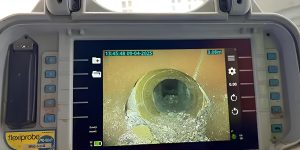
Professional plumbers utilize specialized tools, including motorized snakes, hydro-jetters, and camera inspection equipment. These tools reach clogs 50+ feet deep in central lines and identify pipe damage invisible to homeowners.
We’ve seen homeowners save thousands by attempting DIY solutions first, then calling professionals only when needed. This approach demonstrates financial wisdom while maintaining realistic expectations about complex plumbing systems.
- RELATED: Who Deals With Drainage Problems?
Take Action Before Your Drain Crisis Worsens
You now possess seven proven methods to unclog drain issues using everyday household items. These techniques resolve most residential drain problems without expensive service calls or harsh chemicals.
Begin with the hot water flush for simple clogs, then proceed to methods tailored to your specific situation. Remember that early intervention prevents minor slowdowns from becoming major backups.
Your next steps:
- Assess your current drain situation using our DIY versus professional guidelines
- Gather supplies for your chosen method
- Implement weekly prevention routines to avoid future emergencies
- Keep our method list handy for quick reference during drain emergencies
Don’t let a clogged drain disrupt your daily routine or drain your bank account. Try these proven methods today—and if the problem persists, contact Proline Drainage Ltd for fast, professional drain unblocking services.