Quick Answer: A blocked drain is usually caused by grease, wipes, debris, or another obstruction inside an otherwise intact pipe. A collapsed drain pipe involves structural damage such as cracks, displaced joints, root intrusion, or a caved-in section. If the drain keeps blocking after clearing, affects several fixtures, or is accompanied by damp or sunken ground outside, a CCTV drain survey can confirm whether the pipe is damaged and identify the right repair.
A drain that blocks once may only need clearing. A drain that keeps blocking in the same place can point to something more serious, especially if the problem returns within days or affects several fixtures at once.
The difference between a blocked drain and a collapsed drain pipe comes down to whether the pipe itself is still structurally sound. A blockage is caused by material obstructing the flow, while a collapsed or damaged pipe involves cracks, displaced joints, root intrusion, or sections that have partially or completely failed. Because the symptoms can look similar at first, it is easy to treat the wrong problem and end up paying for repeated call-outs without fixing the underlying cause.
In this guide, we explain the warning signs that can help you tell a blocked drain from a collapsed drain pipe, how a CCTV drain survey confirms the diagnosis, and which repair options may be appropriate depending on the damage.
What’s the Difference Between a Blocked Drain and a Collapsed Drain Pipe?
Knowing the difference stops you from paying for the wrong fix.
A blocked drain has debris stuck inside a healthy pipe. A collapsed drain pipe has structural damage, such as a crack, a shifted joint, or a caved-in section. Think of a blockage as a clogged straw and a collapse as a straw someone stepped on.
Key insight: A blockage clears and stays clear. A collapse keeps returning because the cause is structural, not an obstruction.
The Three-Question Self-Check
- Does it return soon after clearing?
- Does it affect more than one fixture?
- Do you see signs outside, such as a lawn dip?
Three yes answers point to a structural problem.
Consider this scenario. A landlord jets a flat’s drain twice in one month, and it backs up both times while the shower gurgles. A survey finds a displaced joint, and a targeted repair ends the cycle.
What Are the Signs of a Collapsed Drain Pipe?

Spotting the signs of a collapsed drain pipe early limits damage and cost.
Warning Signs Inside the Property
- Blockages that keep returning
- Gurgling from sinks, toilets, or showers
- Slow drainage in several fixtures
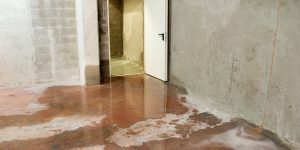
- Persistent sewage smells or damp patches
Warning Signs Outside the Property
- A sunken lawn or patio
- Soft, wet ground without recent rain
- Cracks near the drain run
- Pests gathering near the drain
Key insight: Water leaking from a broken pipe can wash soil away over time, which is why dips often appear above damaged drains.
These collapsed drain pipe signs suggest a problem but cannot confirm one. Only a camera survey can.
Here’s a quick scenario. A homeowner notices a shallow garden dip and a damp smell in the hallway. A survey reveals a cracked pipe leaking into the soil, and a repair stops the ground sinking further.
How Is a Collapsed Drain Pipe Diagnosed?
A survey turns guesswork into facts.
What a CCTV Drain Survey Shows
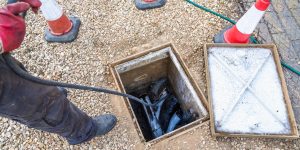
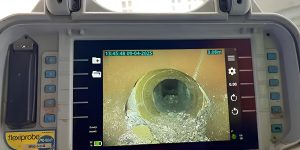
A technician feeds a waterproof camera through the pipe. You see its true condition on screen and receive footage plus a written report. Defects are graded using recognised industry standards, such as the NASSCO Pipeline Assessment Certification Program (PACP) or the WRc Manual of Sewer Condition Classification.
Key insight: A survey can also show a simple blockage, which means no major repair is needed.
What Causes a Drain Pipe to Collapse?
- Invasive root growth entering tiny cracks or joints (see RHS guidance on trees near drainage systems). Ground movement or heavy surface loads above the pipe run
- Age and corrosion in older clay or cast iron
- Displaced joints from poor installation
Consider this scenario. A property manager sees repeated backups in an older building. The survey finds roots in one joint, so the owner repairs a single section instead of digging up the yard.
Collapsed Drain Pipe Repair – Your Options Compared
The right repair solves the root problem without needless digging.
Cracked Drain Pipe Repair – Patch Repair and Relining
- Patch repair fixes one damaged section. It suits localised damage only.
- Relining places a resin liner inside the existing pipe, so little or no digging is needed.
We’ve found relining suits many cracks, but not pipes that have fully displaced or caved in.
Excavation and Full Pipe Replacement
When a pipe has fully collapsed, digging is often the only sound option. It means more disruption and restoration work, but it replaces the damaged section completely. A survey shows exactly where to dig.
Key insight: Jetting a collapsed pipe may give short-term relief, but it cannot restore the pipe’s shape.
Here’s a quick scenario. A homeowner has one cracked section under a driveway. Relining repairs it in a day without breaking the concrete. Professionals can differ on repair versus replacement, so budget and long-term plans matter.
How Much Does Collapsed Drain Repair Cost?

Price depends on a few factors you can understand before you call.
Collapsed drain repair cost varies with:
- Depth and access to the pipe
- Length of the damaged section
- Repair method
- Restoration work after digging
Our typical ranges start at £400+VAT per linear metre for residential drain relining and £500+VAT per linear metre for commercial relining. Excavation and full pipe replacement are quoted based on the extent of the damage, depth, access, and restoration required. These are estimates, and only a survey gives an exact quote.
Key insight: Costs often climb with delay, because small cracks become collapses and water damage spreads.
Consider this scenario. A landlord ignores slow drains for months. A crack that relining could have fixed becomes an excavation, plus new flooring.
Find Out Whether Your Drain Is Blocked or Collapsed
A drain that keeps blocking in the same place may be more than a simple obstruction. Recurring backups, slow drainage in several fixtures, gurgling sounds, sewage smells, damp ground, or sunken areas outside can all point to damaged pipework that needs proper investigation.
The right fix depends on whether the problem is caused by debris, grease, tree roots, cracked pipework, displaced joints, or a collapsed drain section. A CCTV drain survey can confirm the cause before you spend money on repeated clearing or unnecessary repairs.
Need help telling the difference between a blocked drain and a collapsed drain pipe?
Contact Proline Drainage to arrange a professional CCTV drain survey. We provide drain unblocking, CCTV drain inspections, high-pressure water jetting, root removal, cracked drain repairs, collapsed drain repairs, no-dig drain relining, and clear recommendations to help you fix the problem properly and protect your property from further damage.