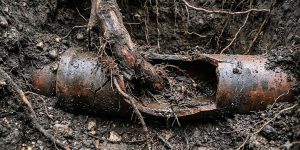
Quick Answer: A collapsed underground drain may cause recurring blockages, slow drainage in multiple fixtures, sewage smells, gurgling sounds, or damp and sunken ground near the drain run. These warning signs can also have other causes, so they cannot confirm a collapse on their own. A professional CCTV drain survey is the most reliable way to identify structural damage and determine whether the pipe needs relining, excavation, or another repair. Early inspection can help prevent further damage and avoid repeated attempts to clear a blockage that will not stay clear.
A stubborn drain blockage can disrupt your day, but figuring out how much it will cost to clear it shouldn’t add to the frustration. If you have been quoted different prices for the same service, you may be wondering what determines drain jetting costs and whether the more expensive option is worth it.
Drain jetting cost depends on more than the blockage size. The pipe’s condition and length, how easily the drain can be accessed, the type of debris involved, and whether the work is scheduled or an emergency can all affect the final price. Understanding these factors helps you compare quotes and avoid paying for services your drainage system doesn’t need.
In this guide, you will learn how high-pressure drain jetting works, what affects its price, and how it compares with traditional drain rodding or snaking. We will also explain when jetting is worth considering and what to ask before booking, so you can make an informed decision and get a clear quote for your property.
What Is Drain Jetting – A Quick Overview
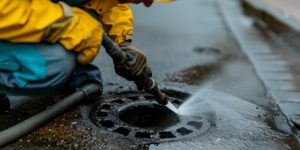
Drain jetting, also called hydro jetting or water jetting, uses a high-pressure stream of water to blast through blockages and scour the inside of your pipes clean. A specialized nozzle pushes water through the line at pressures typically between 1,500 and 4,000 pounds per square inch, or PSI, depending on the pipe material and the severity of the clog.
Unlike a drain snake, which punches a hole through a blockage, jetting clears the entire pipe diameter. That difference matters for cost, since it explains why jetting tends to cost more than simpler methods.
How Much Does Drain Jetting Cost on Average
Across published industry pricing, residential drain jetting typically falls between $300 and $900 per job, with more severe blockages, longer sewer lines, or commercial systems often running $1,000 or higher. Simple, easy-access jobs can land closer to the lower end of that range.
Hydro jetting commonly costs roughly double a standard drain snaking job, largely because it clears the full pipe wall rather than just punching through the clog.
Those numbers are a useful starting point, not a guarantee. Your actual price depends on the specific factors below, which is why most reputable providers inspect the line before confirming a final quote.
- RELATED: How Does Drain Jetting Work?
What Affects Drain Jetting Cost – Key Price Factors

Several variables combine to determine your final price. We have found that the following factors carry the most weight on any given job:
- Blockage severity and type. Light grease buildup costs less to clear than dense tree root intrusion or years of mineral scale.
- Pipe access. A line with an easy-to-reach cleanout costs less to service than one buried under landscaping or behind finished walls.
- Pipe length and diameter. Longer runs and larger commercial pipes need more time and water volume, which raises the price.
- Pipe material and condition. Older or fragile pipes sometimes require lower PSI and a slower, more careful pass, which can add labor time.
- Residential versus commercial scope. Commercial kitchens and multi-unit buildings often have thicker grease buildup and larger systems, which can push commercial jetting costs higher.
- Timing. Emergency or after-hours calls typically carry a premium over scheduled daytime service.
1) Blockage Severity and Type
A first-time grease clog in a kitchen line is a very different job than a sewer line choked with root intrusion. We have found that root-related jobs often take two to three times longer than a standard grease blockage, and price follows that added time.
- RELATED: 4 Reasons Why Drains Get Blocked
2) Pipe Access, Length, and Material
Consider this scenario. A property manager calls about a slow kitchen sink in a ground-floor unit with an easily accessible outdoor cleanout. The technician clears it in under an hour and lands at the lower end of the pricing range because access was simple.
Now compare that to a similar clog buried under a finished basement floor with no direct access point. Reaching the line takes longer, which raises the final bill even though the blockage itself is comparable.
3) Timing – Standard vs Emergency Service
Residential hydro jetting typically clears a line for two to four years before buildup returns, while commercial grease lines often need service every six to twelve months due to heavier daily use.
That difference matters for timing your service call. Scheduling jetting before a backup becomes an emergency almost always costs less than an after-hours call once water is already backing up.
Drain Jetting vs Drain Snaking – Cost Comparison
You might wonder why you would pay more for jetting when snaking is available at a lower price. Both methods clear blockages, but they solve different problems.
Snaking uses a rotating cable to punch through a clog and restore flow quickly, often at a lower upfront cost. It works well for a simple hair or soap clog, but it does not clean the pipe walls, so grease and scale tend to rebuild faster.
Jetting costs more per visit because it scours the entire pipe interior, not just a path through the blockage. For recurring clogs, grease-heavy kitchen lines, or root intrusion, that thorough clean often means fewer repeat service calls over time, which can offset the higher upfront price.
Is Drain Jetting Worth the Cost
Not every clog needs jetting. A single, minor blockage that clears easily with a snake usually doesn’t justify the added expense.
Jetting earns its cost when you are dealing with recurring blockages, grease-heavy commercial lines, or confirmed root intrusion, since a partial fix in those cases tends to come back within weeks. In our experience working with both homeowners and property managers, the properties that skip jetting for a “quick fix” snake often end up paying for a second or third service call within the same year.
If your drain has clogged more than once in the past six months, that pattern alone is worth mentioning to whoever quotes your next service.
How to Get an Accurate Drain Jetting Quote

A fair quote should tell you exactly what you are paying for before work begins. Ask your provider to walk you through these points:
- Does the quote include an inspection, or is that a separate charge?
- Is a camera inspection recommended, and is it bundled into the price or billed separately?
- What happens if the technician finds a more severe issue once the line is open?
- Is there a flat callout fee, and does it apply toward the final cost?
A drain jetting company that is willing to explain its pricing structure before starting work is generally a good sign. Vague answers to any of the above are a caution flag.
Get a Clear Drain Jetting Quote Before the Problem Gets Worse
Drain jetting cost depends on the type of blockage, pipe access, drain condition, timing, and whether the issue is a simple obstruction or a recurring drainage problem. Inspecting the system before work begins can help you understand what needs clearing and why one method may suit you better than another.
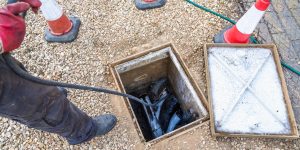
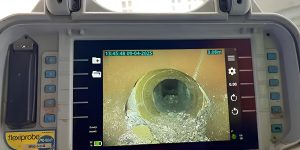
A professional drainage assessment can also identify whether high-pressure water jetting is enough or whether a CCTV drain survey is needed to check for root ingress, cracked pipework, displaced joints, or a deeper structural fault. This helps you avoid repeat callouts and gives you a clearer picture of the work required.
Need help with a blocked drain or a clear drain jetting quote?
Contact Proline Drainage to arrange a professional drainage inspection. We provide drain unblocking, high-pressure water jetting, CCTV drain surveys, blocked gully clearance, root removal, emergency drainage support, and practical advice to help you restore flow, understand your options, and prevent recurring drainage problems.