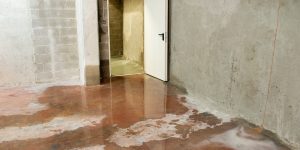
Surface water can cause more damage than people realise, especially when drainage isn’t properly planned or maintained. From overflowing gutters to soggy lawns, excess rain needs to be managed at ground level. One of the most effective tools for that job is often buried and overlooked. But what is a soakaway?
This article explains how it works, why it matters, and what to watch for if something starts going wrong.
What Is a Soakaway?
A soakaway is a drainage solution that helps manage excess rainwater by dispersing it into the ground. It’s usually installed underground, using a pit filled with gravel or modular crates. These materials create space for water to collect before soaking into the surrounding soil.
Soakaways prevent surface water from pooling on driveways, patios, and other hard surfaces. They also reduce the burden on public drainage systems by handling runoff at the source.
Soakaways are also a common component in Sustainable Drainage Systems (SuDS), helping properties meet modern water management standards.
The Role of Soakaways in Managing Surface Water Effectively

Heavy rainfall can cause surface water to overwhelm traditional drainage pipes and flood nearby areas.
Soakaways control this by slowing down runoff and storing it underground temporarily. From there, the water is gradually absorbed into the soil without entering public sewers. This lowers the risk of flash flooding, soil erosion, and water damage around buildings.
Soakaways also support sustainable water management by encouraging natural groundwater recharge. Their function is especially valuable in urban areas with limited natural drainage options.
How Does a Soakaway Work?
Soakaways manage water by collecting runoff in a chamber installed beneath ground level. This chamber holds the water temporarily, giving it time to drain away safely. The structure is filled with material that allows water to move through while holding its shape.
As water fills the chamber, it filters outwards through gaps and enters the surrounding subsoil. This dispersal process prevents water buildup on the surface and reduces strain on pipe drainage systems.
The efficiency of a soakaway depends heavily on location, soil permeability, and correct sizing for expected rainfall volume.
The Process of Water Infiltration and Soil Absorption Explained
When rainwater enters a soakaway, it begins filtering out into the surrounding soil almost immediately. The surrounding soil type affects how fast this happens and how much water it can accept.
Sandy or loamy soil absorbs quickly, while clay-based ground is much slower and may cause backups. As water seeps into the earth, it follows the path of least resistance through existing air gaps.
This natural infiltration process supports both flood prevention and groundwater replenishment. Without this process working efficiently, the soakaway system is likely to fail.
What Is a Soakaway Made From and How Designs Vary
There are two main build styles used for soakaways today: traditional gravel-based pits and modular plastic crate systems.
Traditional options use excavated pits filled with clean rubble or coarse stone to create voids for holding water. These materials are inexpensive and simple to install, but don’t offer consistent void space or long-term structural strength.
Modern crate-based systems use engineered plastic units designed to interlock and hold large volumes of water. These crates provide a high void ratio and resist ground pressure, making them ideal beneath driveways or patios.
Both methods rely on permeable membranes to prevent soil from clogging the system.
Comparing Traditional Gravel Systems to Modular Soakaway Crates
Gravel soakaways and modular crates both serve the same purpose but differ greatly in durability, performance, and cost. Traditional systems suit basic applications, while crate-based options are preferred for more demanding environments.
Below is a breakdown of how each option compares:
Traditional Gravel Soakaways:
- Lower installation cost and simpler to construct
- Suitable for small-scale domestic applications
- Prone to gradual silt buildup and clogging over time
- Difficult to calculate the exact storage capacity
- Not ideal for areas with heavy surface load
Modular Soakaway Crates:
- Higher upfront cost but longer-lasting performance
Designed with high void ratios for efficient water flow - Easier to size accurately using infiltration test data
- Strong enough for use beneath driveways or patios
- Compliant with most modern drainage regulations
Both systems must be wrapped in a permeable membrane to prevent soil ingress and preserve long-term functionality.
How Do I Know If I Have A Soakaway On My Property?
Many homeowners are unaware that a soakaway may already exist within their drainage setup. These systems are usually hidden underground and aren’t always easy to spot without investigation.
If your home has no visible connection to a mains surface water drain, a soakaway may be in place. Older properties with separate drainage layouts often relied on soakaways as a standard solution.
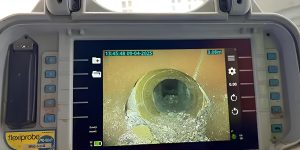
Examining drainage plans or contacting your local authority can help confirm if a soakaway is listed. You can also request a CCTV drain survey to locate and assess buried drainage infrastructure.
Signs of Existing Systems and Clues to Look For
Several visual and practical signs may suggest that a soakaway exists somewhere on your property:
- Surface drains lead into lawns or garden beds rather than into visible mains pipework
- Isolated manhole covers that do not appear to connect to the public drainage system
- Patches of ground that stay damp or spongy long after rainfall has ended
- Thick or unusually green plant growth concentrated in one specific area
- Visible depressions or pooling that consistently forms in the same outdoor location
If confirmation is needed, a professional drain survey can locate any hidden systems and assess their condition.
How to Install a Soakaway Without Causing Future Problems

Installing a soakaway requires thoughtful planning and attention to both design and legal compliance. Getting the fundamentals right from the go helps avoid long-term drainage failures and costly repairs.
#1) Planning Location, Depth, and Capacity Correctly
The chosen location must sit a safe distance from buildings, typically no closer than five metres from the nearest structure. Soakaways must also be kept away from neighbouring property lines and any foundations or retaining walls.
Before digging, conduct a percolation test to evaluate how well the soil absorbs water over time. This test helps determine how deep and wide the soakaway should be for effective water dispersal.
Using flow rate data from connected surfaces allows you to size the system for heavy rainfall events. Undersized or poorly placed installations are the most common causes of soakaway failure.
#2) What to Know About Regulations and Property Boundaries
Local building regulations often specify how far soakaways must be placed from buildings, boundaries, and water features.
In England and Wales, Part H of the Building Regulations applies to surface water drainage, including soakaways. If your property is in a conservation area or subject to planning conditions, additional permissions may be required.
Some councils ask for soil infiltration results and detailed layout drawings before granting approval. Installing a soakaway too close to a boundary or without permission could create legal disputes.
Always check regional guidelines or speak to a drainage professional before installing.
How to Unblock a Soakaway and Maintain Your System
Soakaways can lose effectiveness over time due to blockages caused by silt, debris, or root intrusion. Restoring proper drainage depends on identifying the cause and using the right approach to clear it.
DIY Options vs Professional Help: When to Call in the Experts
Clearing a blocked soakaway can sometimes be done without professional intervention, depending on the location and severity of the issue. If the system is relatively new and the blockage is near the surface, homeowners may attempt a few targeted methods:
- Rodding the inlet pipe: Use a drain rod to break up compacted material that may be restricting water entry.
Flushing the system: Run clean water through the connected gullies to push through minor silt or organic buildup.
Removing surface debris: Clear leaves, sediment, and other loose matter from gullies, grates, and inspection chambers.
These steps work best when the soakaway has been installed correctly and maintained regularly since installation. However, if flooding persists or water drains slowly for days after rainfall, the problem is likely deeper in the system.
DIY attempts won’t solve blockages caused by structural collapse, root damage, or silted crates. At that point, a qualified drainage engineer should assess the situation and recommend a safe, long-term fix.
Ignoring persistent soakaway failure risks property damage, ground saturation, or full system failure.
Basic Ongoing Maintenance
Keeping a soakaway working properly requires simple but consistent upkeep over time.
Start by clearing gullies and grates regularly to prevent leaves, silt, and debris from entering the system. Remove any visible blockages around surface water drains during seasonal clean-ups or after heavy storms.
Keep an eye out for slow drainage, pooling, or plant overgrowth near the soakaway area. These signs may suggest early-stage issues that are easier to address before they become serious.
A quick inspection every few months helps extend the system’s lifespan and avoid costly repairs.
Closing Thoughts: The Bottom Line for Homeowners
Drainage failures often start small but lead to serious structural problems that most homeowners never see coming. Long-term damage from unmanaged surface water can quietly undermine foundations, paving, and landscaping.
Understanding soakaway systems means you can identify early risks and intervene before they become expensive. This knowledge lets you plan installations properly, maintain them effectively, and avoid reactive repairs.
These systems aren’t just technical features — they reflect good property management and long-term thinking. There’s no margin for error when the cost of failure is measured in flooding, damage, or liability.
Drainage works only as well as the decisions behind it — and now, you’re prepared to make the right ones.
If you’re unsure whether your soakaway is functioning as it should, our CCTV Drain Surveys can provide the answers without unnecessary digging or guesswork.
If a blockage is already causing flooding or standing water, our Drain Unblocking service can quickly restore proper flow and prevent further issues.
At Proline Drainage Ltd, we bring local expertise, proven solutions, and a commitment to doing things right the first time. Contact us to book an inspection or get fast support with your drainage concerns.