If you’ve started seeing slow-moving drains or hearing unusual gurgling sounds in your pipes, tree root in drains Horsham issues may be affecting your property more than you realize. This is a common challenge for many local homeowners, especially in areas with mature trees and older drainage systems that are more vulnerable to tiny cracks or weakened joints underground.
In this guide, we’ll outline how tree roots can enter drainage lines, help you recognize the key warning signs, and explain the steps you can take to avoid major disruption. By the end, you’ll understand how to protect your drainage system and what to do if tree roots are already causing problems on your property.
Why Tree Roots Are a Growing Issue in Horsham Gardens

Tree roots in drains aren’t just a minor inconvenience—they’re one of the most common drainage problems we encounter across Horsham properties. Tree roots account for 15-20% of residential drain blockages, particularly in areas with mature landscaping and aging infrastructure.
Horsham’s combination of established residential gardens, moderate to high water tables, and predominantly clay-based soil creates an ideal environment for tree roots to target drainage pipes. Willows, poplars, and chestnuts—all common in our area—have particularly aggressive root systems that actively seek out moisture sources.
Here’s what makes this a growing issue:
- Older properties (built 50-100+ years ago) have aging pipes that are more prone to cracking
- Tree roots naturally follow moisture; your drains are essentially a water highway
- Once roots enter pipes, they multiply rapidly inside the confined space
- Many homeowners don’t realize the problem exists until drainage backs up
The longer you wait, the more extensive—and expensive—the damage becomes. Early detection transforms what could be a significant problem into something manageable.
How Tree Roots Damage and Block Drains
Understanding how tree roots infiltrate and damage your drainage system helps you recognize the problem before it escalates. The process is gradual but relentless.
Cracked or Damaged Pipes Attract Roots Seeking Moisture
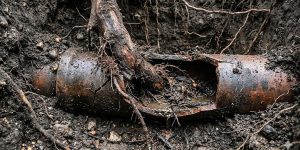
Tree roots don’t deliberately “attack” your pipes—they’re simply following water. When roots detect moisture and nutrients escaping through small cracks in your drain pipes, they’re drawn to it like a map leading to resources.
Even hairline fractures in your pipes create entry points. Root tips are surprisingly persistent; they’ll exploit these openings and push through the crack to reach the moisture-rich environment inside your pipes. Once inside, the root system expands, branches, and eventually creates a dense root mass that blocks water flow entirely.
Older Clay or Cement Drains Are Most Vulnerable
If your Horsham property was built before the 1970s, you likely have clay drain pipes (vitrified clay pipes or VCP). While durable in their day, clay pipes are porous and become increasingly brittle with age. They crack from natural ground settling, temperature fluctuations, and the weight of soil and tree roots pressing down on them.
Cement pipes face similar vulnerabilities. Modern plastic (PVC) pipes are more resistant to root intrusion, but even they can be compromised if cracks develop. The older your pipes, the higher your risk.
Intrusion Worsens During Dry Spells
You might assume wet weather is when root problems peak—but dry spells often make things worse. When soil dries out, trees’ roots search more aggressively for moisture sources. During dry periods, your drains become even more attractive to tree roots, which intensify their infiltration efforts.
This is why many Horsham homeowners notice drainage problems escalate in the summer months, even though they assume winter rain is the culprit.
Slow Drains, Gurgling Noises, or Bad Smells Signal a Problem
The first signs of tree root intrusion are often subtle. You might notice:
- Water is draining slowly from sinks, showers, or toilets
- Gurgling or unusual sounds coming from pipes
- Persistent foul smells from drains despite cleaning
- Repeated backups after clearing apparent blockages
These symptoms suggest something is wrong inside your pipes—and tree roots are a leading cause.
Wet Patches or Sunken Soil May Show Underground Damage
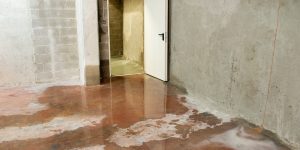
Look around your garden for other warning signs. Unusually wet patches in your yard (especially during dry weather) can indicate broken pipes leaking water underground. Similarly, areas where soil has sunken or settled unevenly may show that pipes have fractured beneath the surface.
These visible indicators mean the problem has progressed beyond simple root intrusion—secondary damage is already occurring.
High-Pressure Jetting and Root Cutting Remove Blockages Fast
When tree roots block your drains, immediate clearing is necessary. High-pressure jetting forces water through the blockage with intense pressure, breaking up root masses and debris. Root cutting uses rotating blades to slice through roots clogging the pipe interior physically.
These methods provide quick relief—your drains flow freely again immediately. However, they address the symptom rather than the underlying cause. Without treatment to prevent regrowth, roots return within 3-6 months, creating a recurring problem.
Preventing Future Root Intrusions in Horsham Drains
One-time fixes aren’t enough if you want lasting solutions. Strategic prevention stops the problem from returning—and saves you thousands in emergency repairs.
CCTV Drain Surveys to Monitor Root Activity
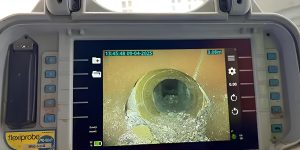
The best way to understand what’s happening inside your pipes is to see it directly. CCTV drain surveys use a small waterproof camera on a flexible cable to navigate through your drainage system, capturing video footage of every inch.
You’ll see precisely where roots have infiltrated, how severe the intrusion is, whether pipes are cracked or collapsed, and what treatment makes sense for your specific situation. This isn’t guesswork—it’s visual proof that informs your next steps.
Drain Relining and Patch Repairs to Seal Cracks
Once you’ve identified problem areas, relining creates a permanent barrier. A new pipe material is inserted into the damaged section and cured in place, forming a new structural pipe inside your old one. This physically prevents roots from re-entering while lasting 15- 30+ years.
For localized damage, patch repairs seal specific cracks without replacing entire pipe sections. Both approaches stop root intrusion at its source rather than repeatedly clearing blockages.
Regular Maintenance to Stop Recurring Issues
Regular drain maintenance—including professional cleaning 1-2 times annually for at-risk properties—prevents root recurrence in approximately 80% of cases. Routine drain cleaning removes small roots before they establish, and regular inspections catch problems early, when they’re easier to address.
Think of it like dental care: preventative maintenance is far simpler than crisis management.
How Proactive Care Saves Money on Major Repairs
The math is straightforward. Mechanical root clearing costs $300-600 but lasts only 3-6 months. Chemical treatments run $500-1,200 for 6-12 months of relief. Professional relining costs $2,000-5,000+ upfront but solves the problem for 15-30 years.
Consider this scenario: A Horsham homeowner ignores slow drains for two years, repeatedly calling for emergency clearing at $400 per visit. After four clearings, they’ve spent $1,600—then roots cause pipe collapse, requiring complete excavation and replacement at $8,000+. The same homeowner could have invested $3,000 in relining and prevented the entire nightmare.
Early intervention and preventative maintenance transform a potential financial disaster into manageable, predictable expenses.
When to Call for a Professional Drain Inspection
Knowing when to move from DIY attempts to professional help is crucial. Some situations demand expert assessment.
Signs Your DIY Fixes Aren’t Enough
If you’ve used drain cleaning products, a plunger, or a drain snake without lasting results, tree roots are likely your problem. DIY tools can’t see inside your pipes or remove established root systems without risking further damage. Additionally, if symptoms return within weeks of clearing, you’re addressing the symptom repeatedly rather than solving the cause.
These are clear signals that professional diagnosis is necessary.
Benefits of Same-Day Professional Service in Horsham
When drainage problems impact your daily life, waiting isn’t an option. Professional same-day service means assessment, diagnosis, and treatment recommendations arrive when you need them—not weeks later. Same-day availability also means emergencies don’t spiral into larger damage while you wait for appointments.
A quick response time directly translates into less property damage and lower total costs.
How Early Intervention Prevents Costly Pipe Collapses
Pipe collapse represents the worst-case scenario—complete structural failure requiring excavation and replacement. Early intervention through professional assessment, CCTV inspection, and targeted treatment stops this progression. Catching root damage before it infiltrates, not after it collapses, means the difference between a $3,000 solution and a $10,000+ emergency.
Professional drain specialists understand the progression of damage; they can assess whether your situation requires immediate action or allows time for planned treatment.
Why Horsham Homeowners Trust Proline Drainage Ltd
We’ve been helping Horsham residents solve drainage problems for years. Our team combines local knowledge—understanding Horsham’s soil conditions, common tree species, typical property ages, and regional drainage challenges—with professional expertise in modern drain solutions.
We listen to your concerns, explain what we find in clear language, and present realistic options without pushing unnecessary solutions. Our commitment is to your long-term drainage health, not just the next service call.
Call Proline Drainage Ltd Today

Don’t let tree root in drains Horsham turn into a drainage emergency. Schedule your professional drain assessment with Proline Drainage Ltd and get clarity about what’s happening inside your pipes.
Contact us today for:
- Professional CCTV drain inspection
- Honest assessment of your situation
- Clear explanation of your options
- Same-day or next-day service in Horsham
When you’re ready to stop worrying about drainage problems, we’re here to help. Call now to book your assessment.
Frequently Asked Questions
Can tree roots grow back after a drain has been cleared?
Yes. Removing roots with drain jetting or root cutting clears the immediate blockage, but roots can return if cracks or joints in the pipe remain unsealed. Drain relining or pipe repairs are often recommended to help prevent future root intrusion.
What should I do if my drains keep blocking despite repeated cleaning?
If blockages continue to return after cleaning, there may be an underlying issue such as root intrusion, cracked pipework, or structural drain damage. Homeowners researching what to do about blocked drains in Horsham situations often find that a professional CCTV drain survey is the fastest way to identify the root cause and avoid ongoing drainage problems.
Are older properties more vulnerable to tree root drain damage?
Yes. Older homes commonly have clay or aging drainage pipes that are more susceptible to cracks, joint separation, and root intrusion. Regular inspections can help detect issues early before they develop into major repairs.