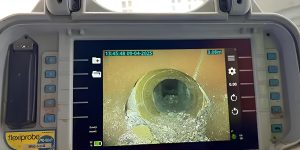
Quick Answer: Commercial drains should be professionally cleaned every 1 to 12 months, depending on the business type, drainage usage, and pipe condition. Restaurants and commercial kitchens typically need cleaning every 1 to 3 months, while hotels and healthcare facilities may require maintenance every 3 to 6 months. Offices and retail properties can often schedule cleaning every 6 to 12 months. Regular commercial drain cleaning helps prevent grease buildup, recurring blockages, sewage backups, and costly emergency repairs.
Not all commercial drains need cleaning on the same schedule. A busy restaurant kitchen may need professional attention every few months, while an office or retail property may go much longer between services. The right frequency depends on how heavily the system is used, what enters the drains, and the condition of the pipework.
Waiting until a drain backs up can lead to more than an inconvenient blockage. Commercial drainage problems can disrupt operations, create unpleasant odours, affect customers and staff, and lead to emergency call-out costs that are usually higher than planned maintenance.
In this guide, we explain how often commercial drains should be professionally cleaned, which businesses need more frequent service, what warning signs to watch for, and how to build a preventative maintenance schedule around your property’s actual risk.
How Often Should Commercial Drains Be Cleaned?

Your cleaning frequency depends on how hard your drains work, not on the calendar. A café and a corporate office can share a building, yet their drains need very different care.
Many municipal grease programs require cleaning a grease trap once fats and solids fill 25% of its liquid depth, and often at least every 90 days. Frequency follows risk, so higher use means shorter intervals.
Quick-Reference Cleaning Schedule by Business Type
| Business Type | Grease Trap | Floor and Sink Drains | Main Line |
|---|---|---|---|
| Restaurants and commercial kitchens | Every 1-3 months | Monthly to quarterly | Every 6-12 months |
| Hotels and hospitality | Every 1-3 months | Every 3-6 months | Every 6-12 months |
| Healthcare facilities | Based on kitchen use | Every 3-6 months | Every 6-12 months |
| Retail and offices | Not applicable | Every 6-12 months | Every 12 months |
| Multi-tenant buildings | Per tenant kitchen | Every 6 months | Every 6-12 months |
Why These Intervals Are Guidelines, Not Guarantees
Local FOG ordinances, plumbing codes, and equipment manufacturers can override these ranges. Check your local requirements first, then adjust based on what an inspection finds.
Key takeaway: Treat the table as a starting point, not a final answer.
What Factors Affect Commercial Drain Cleaning Frequency?
No two buildings strain their drains the same way. Think of your pipes like arteries. Buildup narrows them slowly, and you notice only when flow nearly stops.
Load, Contents, and Condition – Our Risk-Based Framework
We’ve found that three questions set a reliable schedule:
- Load: How many people, fixtures, and meals does the system serve each day?
- Contents: Does grease, food waste, wipes, or mineral-heavy water enter the pipes?
- Condition: How old are the pipes, and what do past inspections show?
Fats, oils, and grease (FOG) are a major cause of sewer blockages, according to the EPA. They cool, harden, and coat pipe walls layer by layer.
Why Kitchens and Multi-Tenant Buildings Need Shorter Intervals
Consider this scenario: a restaurant shares a main line with two neighboring tenants. Grease from one kitchen slowly coats the shared pipe, and all three businesses suffer repeat backups. A camera inspection identifies the source, and a quarterly cleaning plan stops the cycle.
Key takeaway: Shared lines and heavy cooking multiply risk.
What Are the Signs Your Commercial Drains Need Cleaning Now?

Drains rarely fail without warning. Do any of these sound familiar? Catching them early keeps a small problem from becoming a shutdown.
Early Warning Signs – Act Before the Backup
- Water drains slowly from sinks or floor drains
- Odors return soon after you clean the area
- Pipes gurgle when nearby fixtures run
- Fruit flies gather around floor drains
- The same drain clogs repeatedly
In our years of servicing commercial systems, camera inspections behind slow drains usually reveal layered grease, mineral scale, or roots.
Red Flags That Mean Call a Professional Today
Sewage backing up, several fixtures clogging at once, or water rising from floor drains all signal a deeper blockage. Stop using the affected fixtures and call a commercial drain cleaning service right away.
Why Is Preventative Drain Cleaning Cheaper Than Emergency Repairs?
Routine service works like an oil change for your building. Skipping it saves a little now and risks a costly breakdown later.
Federal estimates and environmental data suggest that U.S. sanitary sewer systems experience roughly 23,000 to 75,000 overflows each year. Many start with blockages that regular maintenance could have caught.
Consider this scenario: a restaurant ignores slow floor drains for weeks. The drains overflow on a busy Saturday, forcing a closure, a cleanup, and lost sales. After the owner adopts a quarterly hydro jetting plan, the backups stop.
Snaking vs. Hydro Jetting – An Honest Comparison
| Method | Strength | Limitation |
|---|---|---|
| Snaking | Faster and lower cost for light blockages | May leave residue so that clogs can return sooner |
| Hydro jetting | Scours pipe walls for a more thorough clean | Not suited to fragile or damaged pipes |
The Real Cost of Waiting
What would one lost weekend cost your business? Compare that figure with a scheduled service visit, and the math usually favors prevention. Emergency calls also add overtime rates, cleanup costs, and potential health code violations and workplace sanitation issues.
How Do You Choose Among Commercial Drainage Contractors?
The right partner sets the right schedule. A reputable commercial drainage company bases its recommendations on inspection findings, not a fixed sales package.
Credentials and Equipment to Verify
- A current plumbing or contractor license
- Liability insurance and bonding
- Camera inspection and hydro jetting equipment
- Written reports after each visit
Questions to Ask Before You Sign
Will they explain what the camera found? Will they tell you if you need less service than you expected? At our company, we start with an inspection, and we tell you when a longer interval is enough.
Keep Your Commercial Drains Clear With Preventative Maintenance
Commercial drainage problems can disrupt daily operations, create unpleasant conditions, and lead to costly emergency repairs. Restaurants, hotels, healthcare facilities, offices, and multi-tenant buildings all have different drainage demands, so regular inspections and professional cleaning help prevent grease buildup, recurring blockages, and wastewater backups.
The right commercial drain cleaning schedule depends on your property’s drainage system, daily usage, grease accumulation, pipe condition, and previous blockage history. A professional assessment can help determine whether monthly, quarterly, or annual maintenance is appropriate. CCTV drain surveys and high-pressure water jetting can also identify and address problems before they interrupt your business.
Need help creating a commercial drain cleaning schedule for your property?
Contact Proline Drainage to arrange a professional commercial drainage inspection. We provide commercial drain cleaning, preventative drainage maintenance, high-pressure water jetting, CCTV drain surveys, grease-related blockage clearance, drain repairs, and 24/7 emergency drainage services to help your business maintain reliable drainage, reduce unexpected disruptions, and avoid costly emergency call-outs.