A reliable drainage system is vital for every home’s health and safety. That’s why it’s smart for all homeowners to have a drainage system maintenance checklist to follow. In this guide, we’ll outline some practical steps to prevent water damage and maintain property integrity.
By adhering to this checklist, you can ensure your drainage system functions effectively, avoiding costly repairs.
Exploring The Importance of Regular Drainage Maintenance
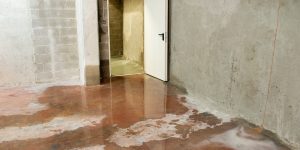
Maintaining a regular drainage maintenance schedule is essential for several reasons. At the top of the list, however, is that it’s meant to help prevent water damage and preserve property integrity.
Efficient drainage systems reduce the risk of flooding, which can cause extensive damage to homes, gardens, and landscapes. Moreover, proper drainage maintenance safeguards against soil erosion, a process that can destabilize buildings and destroy landscaping efforts.
It also mitigates health hazards by preventing stagnant water from breeding mosquitoes and other pests, which can pose risks of disease transmission. Additionally, maintaining drainage systems supports environmental protection by reducing pollutant runoff into waterways, contributing to healthier ecosystems.
Regular maintenance ensures that drainage systems function optimally, extending their lifespan.
- RELATED: Do Drains Unblock Themselves?
Drainage System Maintenance Checklist

Embarking on drainage system maintenance begins with establishing a structured approach. This will help ensure that every component functions as intended and identify potential issues early.
This drainage system maintenance checklist guides thorough and effective maintenance, safeguarding your property against common drainage problems.
#1) Inspect Drainage Components
The first step in maintaining a drainage system is a comprehensive inspection of its components. This involves examining surface drainage elements, like gutters and downspouts, to ensure they’re free of debris and properly channeling water away from the property.
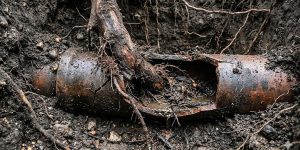
It also includes checking subsurface drainage solutions, such as French drains or perforated pipes, for signs of blockage or damage. Inspection should cover the integrity of grates and drain covers, ensuring they’re intact to prevent debris from entering the system.
Additionally, assessing the condition of detention and retention ponds, if present, is crucial for larger properties or commercial sites.
This initial step allows property owners to identify and address minor issues before they escalate into significant problems, emphasizing the importance of preventative maintenance.
#2) Clean Gutters and Drains
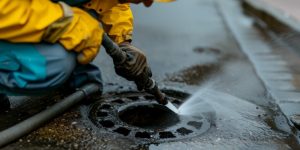
Regularly cleaning gutters and drains is crucial to prevent blockages and water damage. For gutters, remove leaves and debris to ensure the free flow of water.
Use a hose to flush out the remaining dirt. For drains, use a mix of baking soda and vinegar followed by hot water to break down clogs naturally.
This simple maintenance can prevent damage and keep the system running smoothly.
#3) Maintain Drainage Easements
Drainage easements are areas reserved for the flow of water to prevent flooding. Ensure structures, plants, or debris do not block them.
Regular checks can avoid legal issues and ensure compliance with local regulations.
Keeping easements clear supports the community’s drainage system and reduces flood risks.
#4) Seasonal Maintenance Checks
Adapt your maintenance strategy to the changing seasons. In autumn, clear fallen leaves can block water flow. Winter requires checking for frozen areas that may cause pipe bursts.
Spring is the time to inspect for any damage from winter, prepare for rainier months, and mark this task off your drainage system maintenance checklist.
Summer maintenance focuses on ensuring proper hydration for vegetation without overloading the system.
Seasonal checks prevent emergencies and prolong the lifespan of your drainage system.
#5) Clear Drains Regularly
Regular maintenance of your drainage system is crucial for preventing blockages that can cause backups and water damage. Using a plunger regularly on your drains is not a bad idea to help clear any tough clogs that form.
For a more natural approach, pour baking soda followed by vinegar down your drains, then flush with hot water after 15 minutes.
This keeps your drains clear and minimises odour, ensuring water flows freely and efficiently.
#6) Schedule Professional Inspections
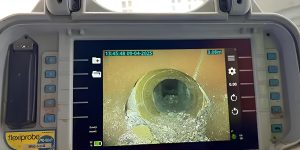
Regular drainage inspections are key to a healthy home, preventing minor issues from becoming major headaches. Proline Drainage offers expert CCTV drain surveys, a non-invasive method that accurately identifies hidden problems such as blockages, leaks, or structural damage.
This advanced technology allows for a detailed view inside your drains, ensuring that no issue goes unnoticed. By detecting problems early, our services help you avoid the inconvenience and cost of extensive repairs later.
Choosing Proline Drainage for your drainage inspections means you’re investing in peace of mind, knowing your drainage system is thoroughly checked and maintained by experts.
Our commitment is to provide efficient solutions and keep your home’s drainage functioning perfectly. Trust us to safeguard your property’s integrity with our comprehensive inspection services.

#7) Implement Preventive Measures
Adopting preventive measures is critical to maintaining a healthy drainage system. We recommend that you install strainers over drains to catch debris. It’s also wise to avoid disposing of oils, fats, and grease down the sink, as they can solidify and cause blockages.
Consider adjusting your landscaping to direct water away from your home’s foundation, preventing potential water damage.
Such measures help maintain the integrity of your drainage system and contribute to environmental conservation by reducing the risk of pollution.
When to Hire Professional Drainage Maintenance Services
Recognizing when to engage professional drainage maintenance services is crucial for preserving your home’s structural integrity and health. At Proline Drainage, we cater to a range of situations necessitating expert intervention.
Whether you’re facing stubborn blockages that persist despite regular cleaning, noticing signs of water damage like mould or damp patches, or you’re new to a property and uncertain about the drainage system’s state, our team is here to assist.
Our expertise even covers older drainage systems that need attention. Our 24/7 professional drainage services are designed to identify and tackle these challenges head-on, ensuring your drainage system operates efficiently.
With Proline Drainage, you gain access to skilled professionals equipped to diagnose and solve even the most complex drainage problems, preventing potential damage and saving you from needing repairs.
Creating a Long-Term Maintenance Schedule for Your Drains
Establishing a long-term maintenance schedule for your drainage system is crucial for its longevity and effectiveness. This schedule should include regular cleaning of gutters and drains to prevent blockages.
Additionally, plan annual professional inspections to identify and address hidden problems. It’s also advisable to keep a record of all maintenance and repairs conducted, as this history can be invaluable for troubleshooting future issues and planning upgrades.
Incorporating seasonal checks, especially before heavy rainfalls or freezing temperatures, can prevent weather-related damage.
This proactive approach helps avoid emergency repairs, saving time and money in the long run.
Conclusion: The Benefits of a Well-Maintained Drainage System
As we’ve explored, a well-maintained drainage system is foundational to the health and safety of your home.
Following a thorough drainage system maintenance checklist can save you from the unwelcome surprises of water damage, blockages, and the myriad of issues that can arise from neglect. Regular checks, cleaning, and the timely intervention of professionals are key to this process.
By adopting the practices outlined in this guide, homeowners can ensure their drainage system remains functional and efficient.
Frequently Asked Questions
How often should a drainage system be inspected and cleaned?
Most homeowners should inspect gutters, drains, and drainage components at least twice a year, especially before heavy rainfall seasons. Regular maintenance helps identify small issues before they become costly repairs.
What are the signs that a drainage system may need professional attention?
Common warning signs include slow-draining water, recurring blockages, unpleasant odors, damp patches, mould growth, and overflowing gutters. Persistent issues may indicate deeper drainage problems that require professional inspection.
Why is preventive maintenance important for residential drainage systems?
Preventive maintenance helps reduce the risk of flooding, water damage, and common drainage problems by keeping drains, gutters, and underground systems functioning properly throughout the year. Regular upkeep may also extend the lifespan of the overall drainage system.
Frequently Asked Questions
How often should homeowners perform drainage maintenance checks?
Most drainage systems should be inspected and cleaned at least twice a year, particularly before seasonal weather changes. Regular maintenance helps identify blockages, leaks, and drainage issues before they lead to costly repairs or flooding.
What are common warning signs that a drainage system needs professional inspection?
Warning signs may include slow-draining sinks, recurring blockages, foul odours, damp areas, overflowing gutters, standing water, or visible water damage around the property. Persistent problems can indicate underlying drainage system issues that require professional attention.
Why is preventative maintenance important for a heavy rainfall drainage system?
Preventative maintenance helps a heavy rainfall drainage system handle increased water flow during storms by reducing the risk of blockages, overflow, flooding, and structural water damage. Routine inspections and cleaning also help maintain long-term drainage performance and system reliability.