Quick Answer: Home insurance may cover collapsed drains in the UK if the damage results from a sudden, unexpected event, such as accidental impact or certain types of ground movement. However, most buildings insurance policies exclude damage caused by gradual deterioration, wear and tear, corrosion, or poor maintenance. Coverage depends on your policy wording, the cause of the collapse, and who is responsible for the drain. A professional CCTV drain survey can identify the damage, provide evidence for an insurance claim, and help determine whether drain relining, patch repairs, or excavation is necessary.
A collapsed drain can quickly become more than a plumbing problem. It can cause recurring blockages, damp patches, sinking ground, or damage around your property, and repair costs vary significantly depending on where the pipe fails and how severe the damage is.
Whether home insurance covers a collapsed drain in the UK depends mainly on the cause of the damage and what your buildings insurance policy includes. Sudden accidental damage may be covered, while gradual deterioration, wear and tear, corrosion, or poor maintenance are often excluded. Responsibility also matters, because some shared or lateral drains may belong to the local water company rather than the homeowner.
In this guide, we explain when home insurance may cover a collapsed drain, why insurers often refuse claims, how to determine who is responsible for the pipe, and what evidence to gather before contacting your insurer. You will also find a five-question check to help you understand where you stand before arranging repairs.
Does Home Insurance Cover Collapsed Drains – The Short Answer

You can judge in a minute whether a claim is realistic. Drain cover usually sits within buildings insurance, not contents insurance. Insurers tend to pay when a sudden event breaks the pipe, and to refuse when age wore it out.
In our years of drainage work, we’ve found that age-related collapses are a common reason claims fail. ABI guidelines on home insurance exclusions say standard policies cover sudden accidental risks, not ongoing maintenance or gradual wear and tear.
What Home Insurance Drainage Cover Usually Includes
- Buildings insurance: covers your home’s structure and fixtures, and exact cover varies by insurer.
- Accidental damage or escape of water: sometimes extends to drains, so check your policy schedule.
- Excess: usually between £50 and £250, but it can be higher for subsidence or some water leak claims.
Consider this scenario. A lorry reverses over a driveway and cracks the pipe below. The homeowner photographs the damage and tells the insurer at once. The survey links the break to the impact, so the insurer pays the claim minus the excess.
When Will an Insurer Refuse a Collapsed Drain Claim?
Knowing why claims fail helps you build a stronger one. Think of your drain like a car tyre. A nail puncture is an accident, but a worn tread is maintenance.
| Cause | How Insurers Often Treat It |
|---|---|
| Vehicle impact or digging damage | Often considered |
| Age or corrosion | Often excluded |
| Tree roots | Depends on policy wording |
| Ground movement | Depends on subsidence cover |
Wear and Tear Versus Sudden Damage
Insurers ask whether one event or years of use caused the collapse. Cracked clay and flattening pitch fibre usually point to time.
Consider this scenario. A 1960s home has a pitch fibre drain that slowly flattens. The survey shows long-term deterioration, so the insurer declines and the owner pays. Early notice and a survey would not have changed the cause, but they would have shown the owner where they stood.
Tree Roots and Ground Movement
Roots and shifting soil are grey areas. Two similar claims can end differently because insurers word these exclusions differently. Does your policy mention roots or subsidence? Check before you claim.
Who Is Responsible for a Collapsed Drain?
You can’t claim, or call the right person, until you know who owns the pipe. Around 200,000 kilometres of private sewers and lateral drains in England moved to water companies from 1 October 2011. Under Ofwat’s transfer of private sewers regulations, ownership of most lateral drains and shared sewers connected before July 2011 transferred to sewerage companies in England and Wales. Scotland and Northern Ireland work under different rules, so check local guidelines.
Private Drains, Shared Drains and Water Company Sewers
- Your own drain: homeowners remain responsible for private drains inside their boundary that no other property shares.
- Lateral drain beyond your boundary: usually the water company’s.
- Shared sewers: usually the water company’s too.
Consider this scenario. A homeowner finds a collapse where the pipe leaves the property. A call to the water company confirms the section is theirs, so they repair it and the owner pays nothing.
How Do You Claim for a Collapsed Drain?
A short sequence keeps your claim on track. Contact your insurer first, because insurers often want to know before repairs begin.
Gather Evidence – Why a CCTV Drain Survey Matters
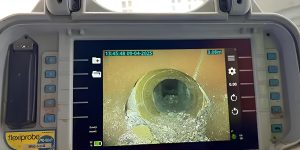
A survey records the pipe’s condition on video and in a written report. We’ve found this report is often the deciding document in a claim. It shows the condition, but it doesn’t decide whether your insurer pays. One London price guide lists CCTV drain surveys at £100-£300.
Consider this scenario. A homeowner notices a sinking patio and phones the insurer before any work starts. When the survey report arrives, the dates and photos already support the claim.
Run the Five-Question Check Before You Call
- Was the damage sudden or gradual?
- What caused it (impact, roots, age, ground movement)?
- Is the drain inside your boundary and yours alone?
- Does your policy include building cover for drains?
- Will the repair cost more than your excess?
What If You Have to Pay for the Repair Yourself?
A refused claim isn’t the end, and the bill is often smaller than owners fear. Collapsed drain repairs typically cost between £500 and £4,000. Patch repairs start from around £150, and digging beneath a driveway or extension can add £500 to £2,000.
Claim or Pay Directly – Weighing the Pros and Cons
- Claim: may cover the cost above your excess, but needs evidence and can take weeks.
- Pay directly: gives you control of timing, but the full cost falls on you.
Suppose the repair costs about the same as your excess, paying directly may make sense. Ask your insurer how a claim could affect your renewal.
Repair Options – Patch Lining, Excavation or Replacement
One price guide lists relining at £600 to £1,500, against £1,500 to £4,000 for excavation repair. Relining works only if the pipe still holds its shape. Delays cost money because soil washes out and the ground sinks.
Consider this scenario—a homeowner whose claim was refused books a survey. The camera shows the pipe is intact in places, so relining avoids digging up the patio and finishes in about a day.

Get Your Collapsed Drain Inspected Before Making an Insurance Claim
Home insurance may cover collapsed drains in the UK, but approval depends on the cause of the damage, your policy wording, and who is responsible for maintaining the pipe. Insurers may treat accidental damage, tree root intrusion, ground movement, and gradual deterioration differently, so an accurate diagnosis is important before arranging repairs.
A professional CCTV drain survey can help identify cracked pipes, collapsed sections, displaced joints, root damage, and other structural problems. Recorded footage and a detailed written report can provide useful evidence when discussing a claim with your insurer, while also helping you understand whether drain relining, patch repairs, or excavation may be necessary.
Need help identifying collapsed drain damage before contacting your insurer?
Contact Proline Drainage to arrange a professional CCTV drain survey. We provide underground drain inspections, detailed CCTV reports, recorded survey footage, collapsed drain repairs, root removal, no-dig drain relining, excavation, and drainage repair recommendations to help you understand the damage, support your insurance enquiry, and choose the appropriate solution for your property.